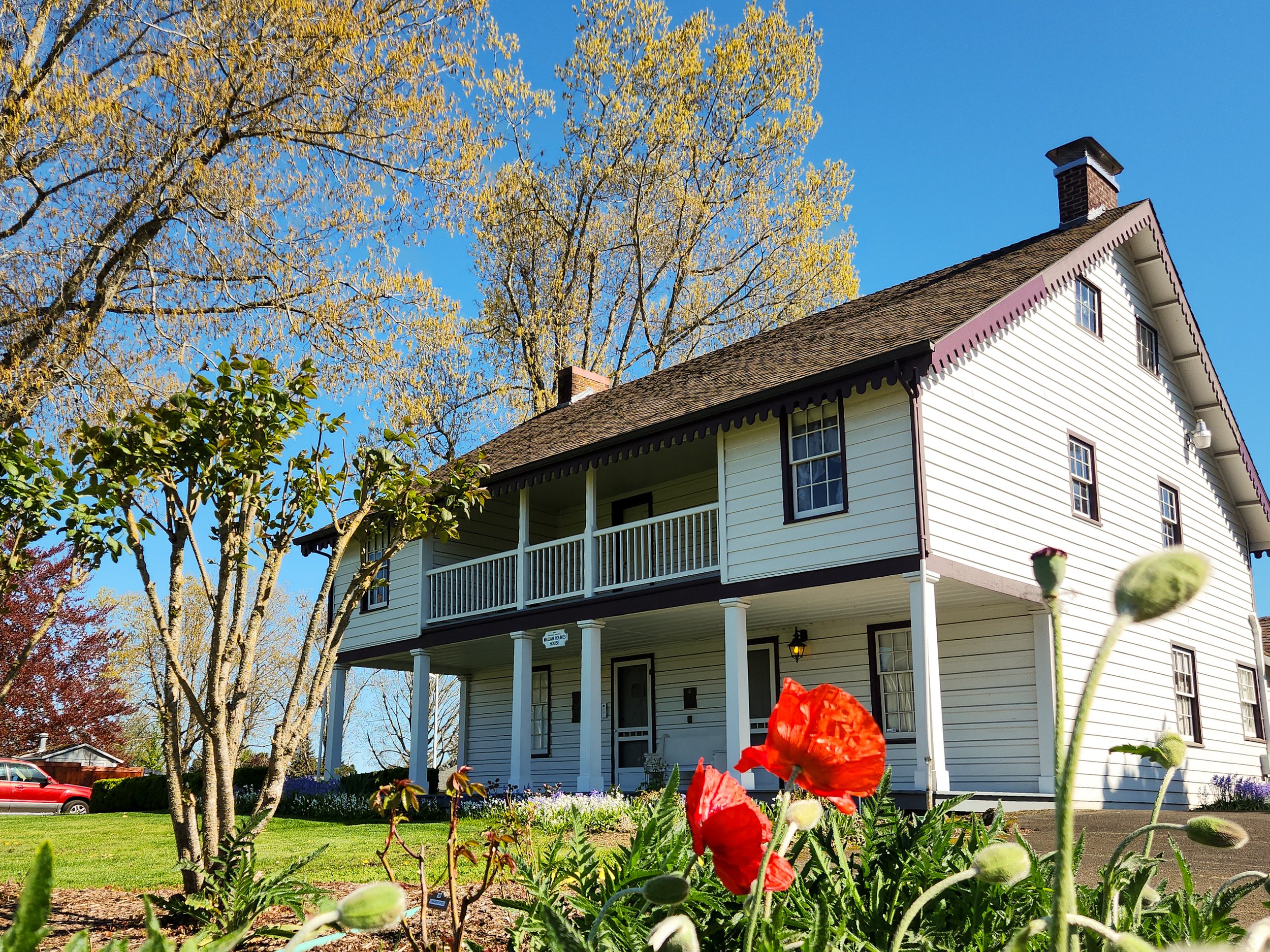
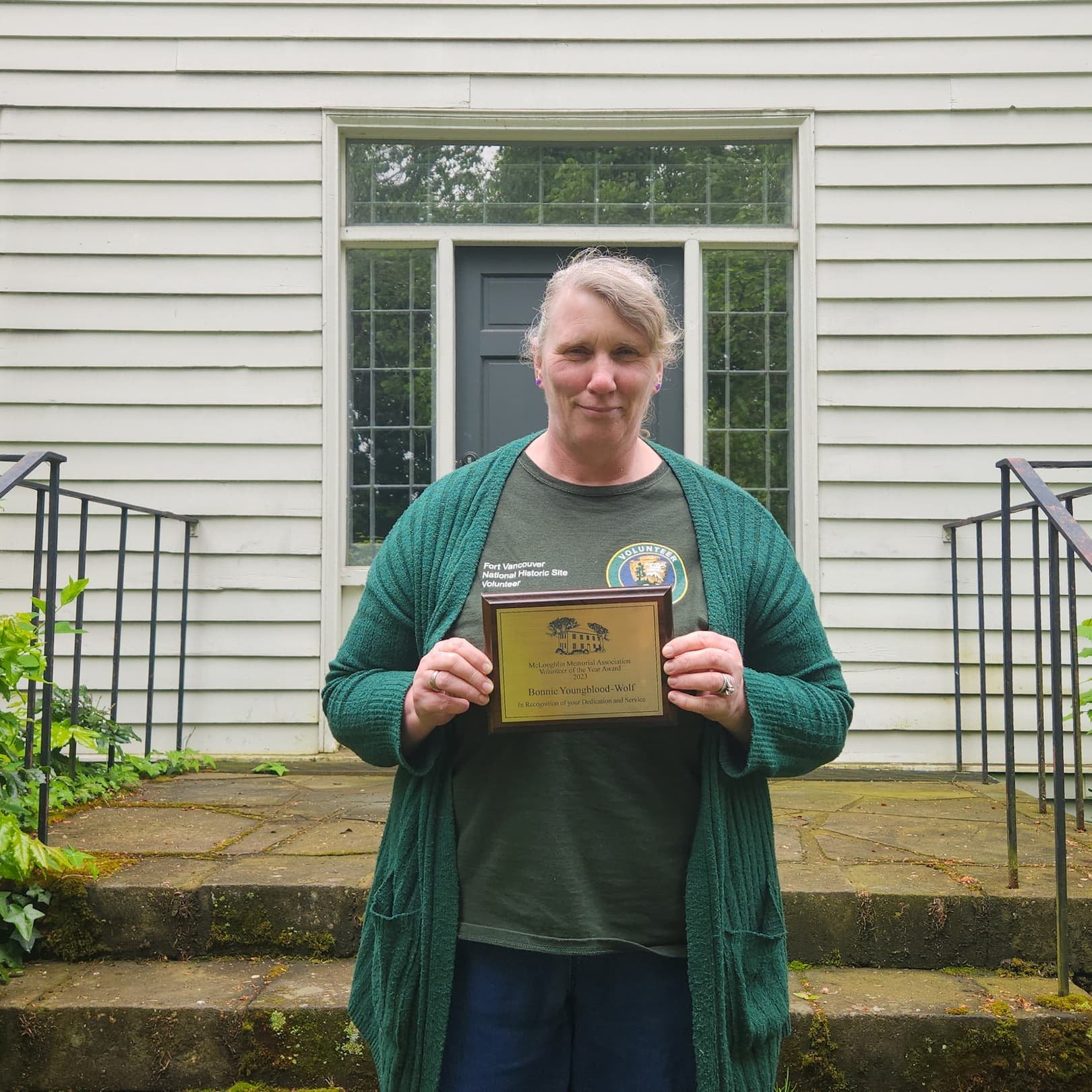
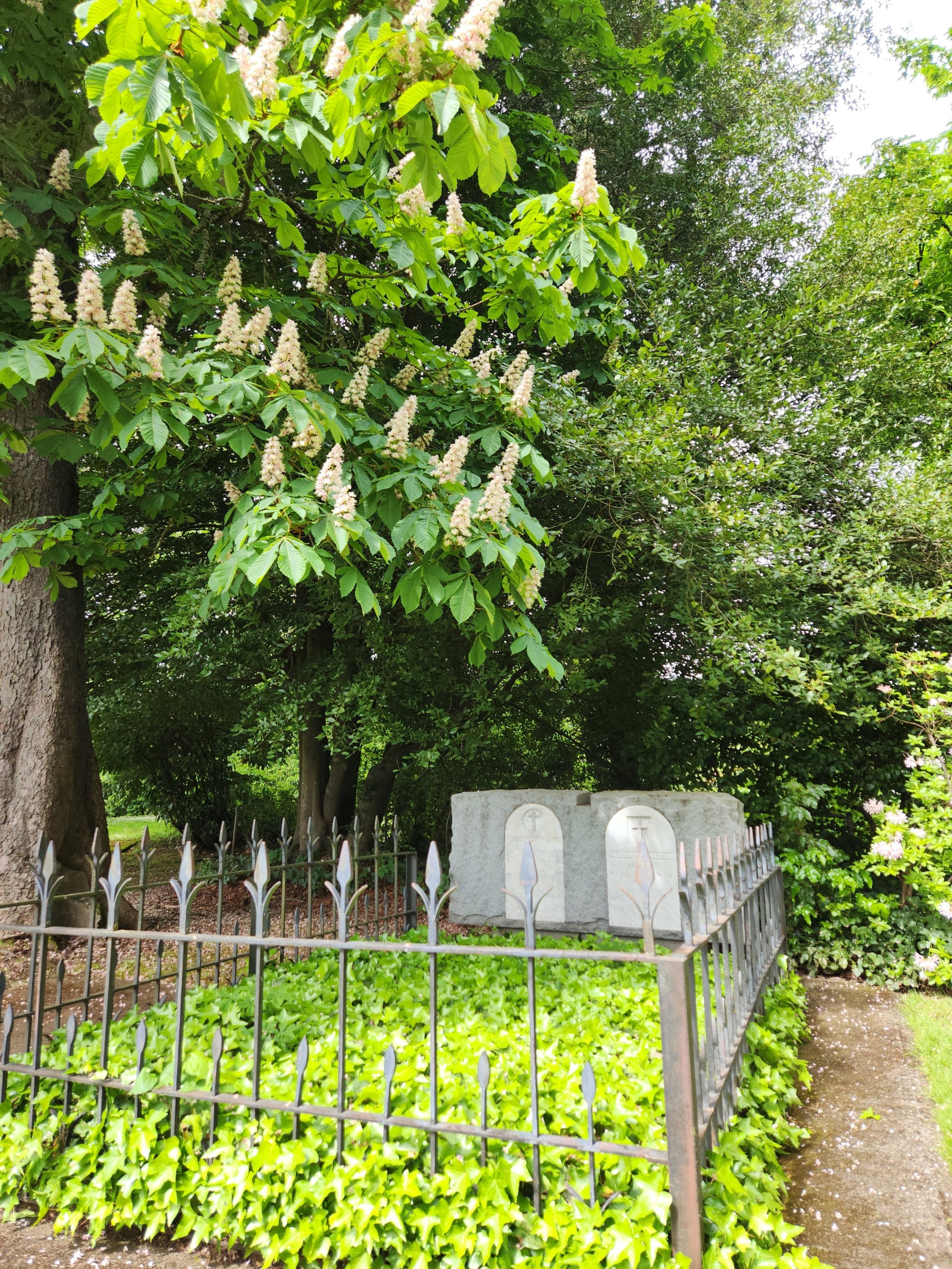
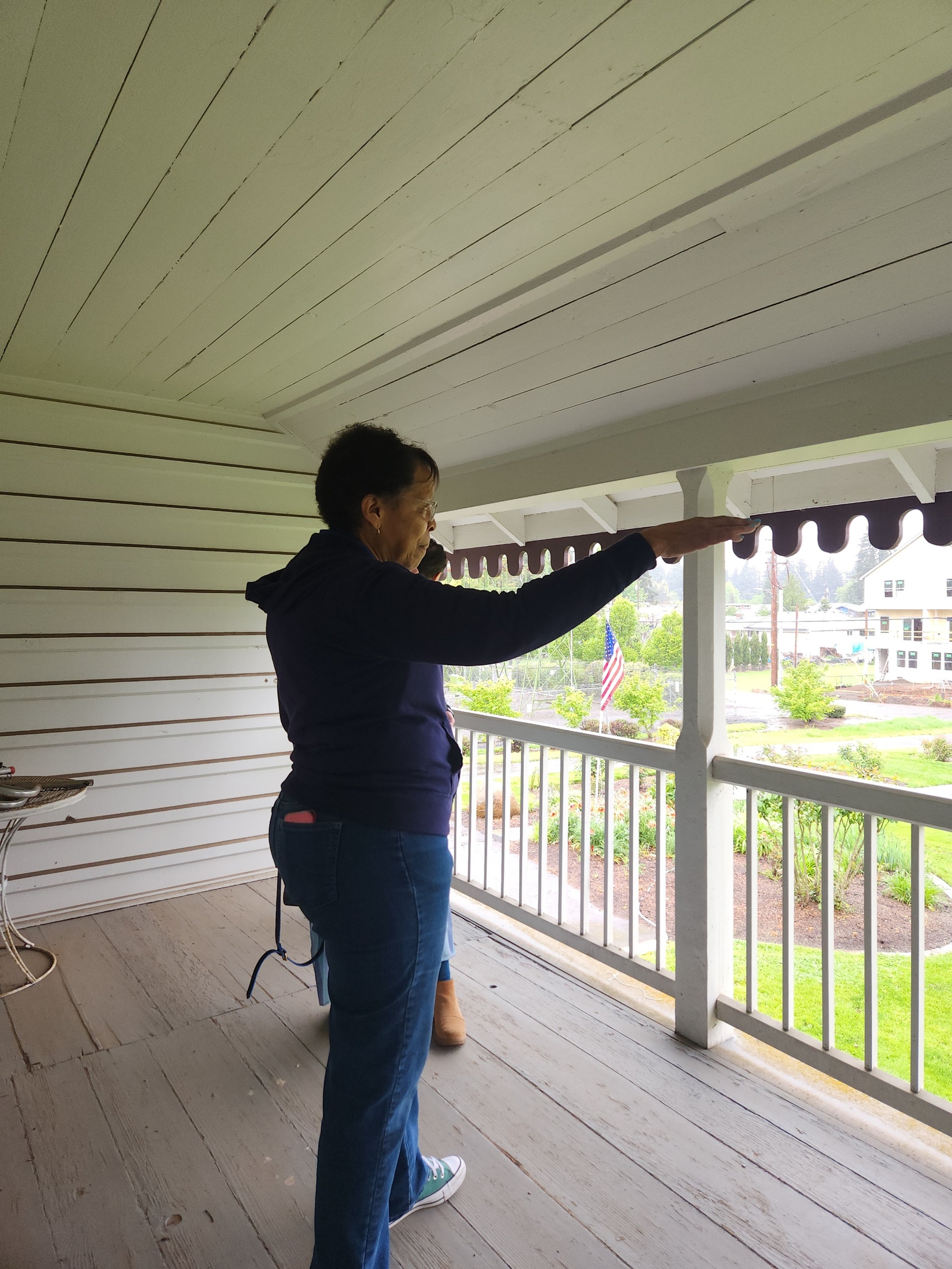
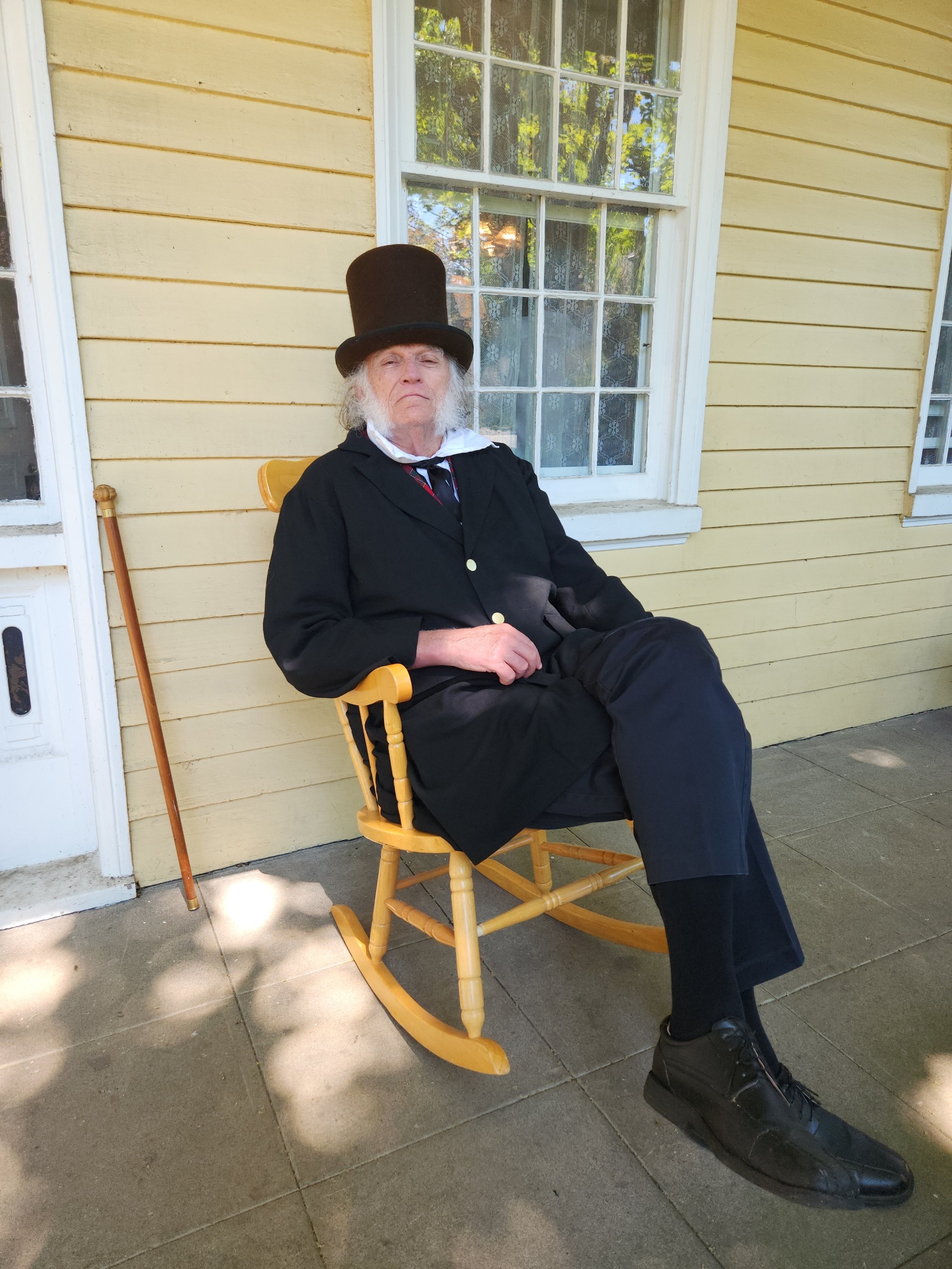
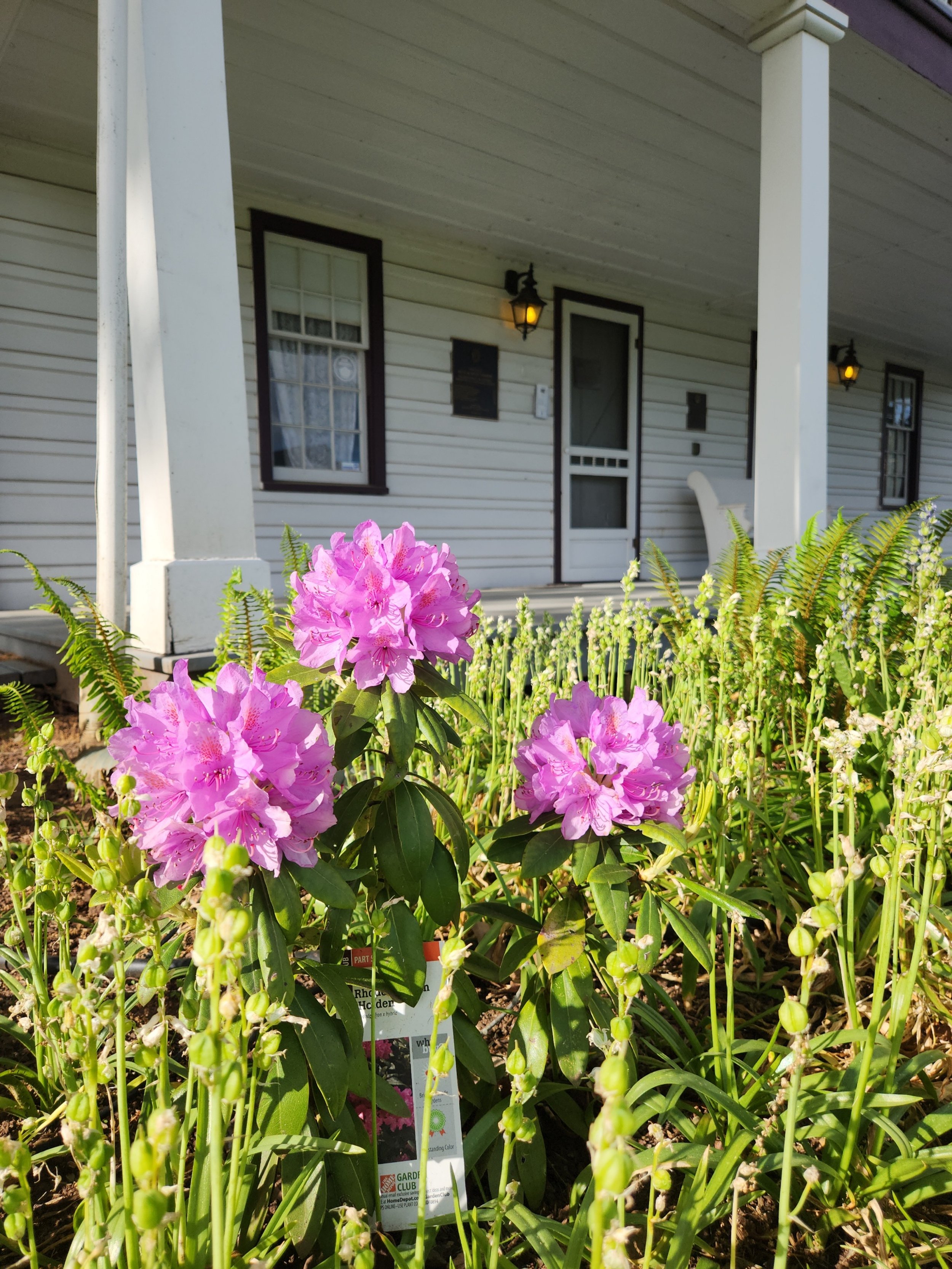
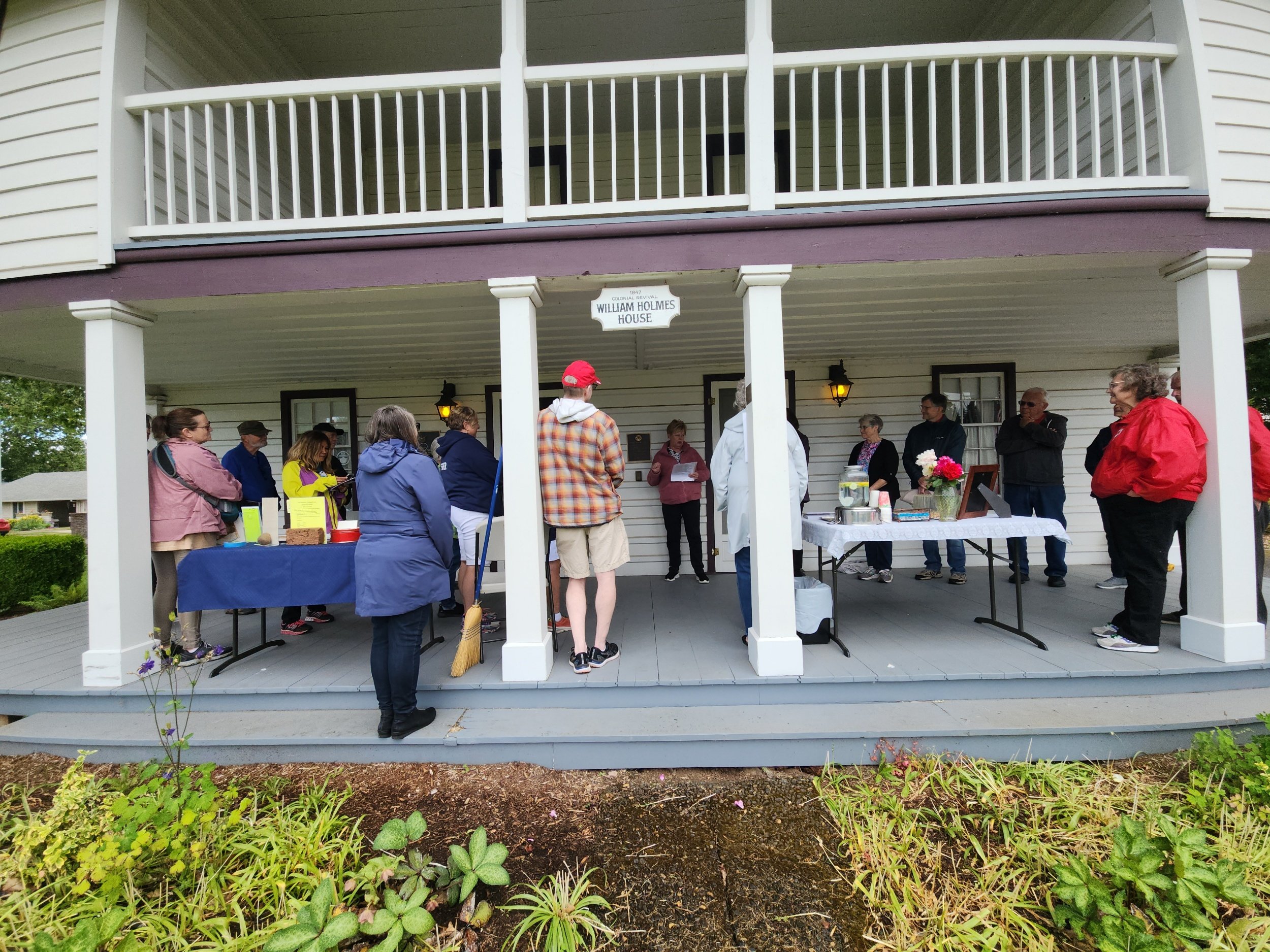
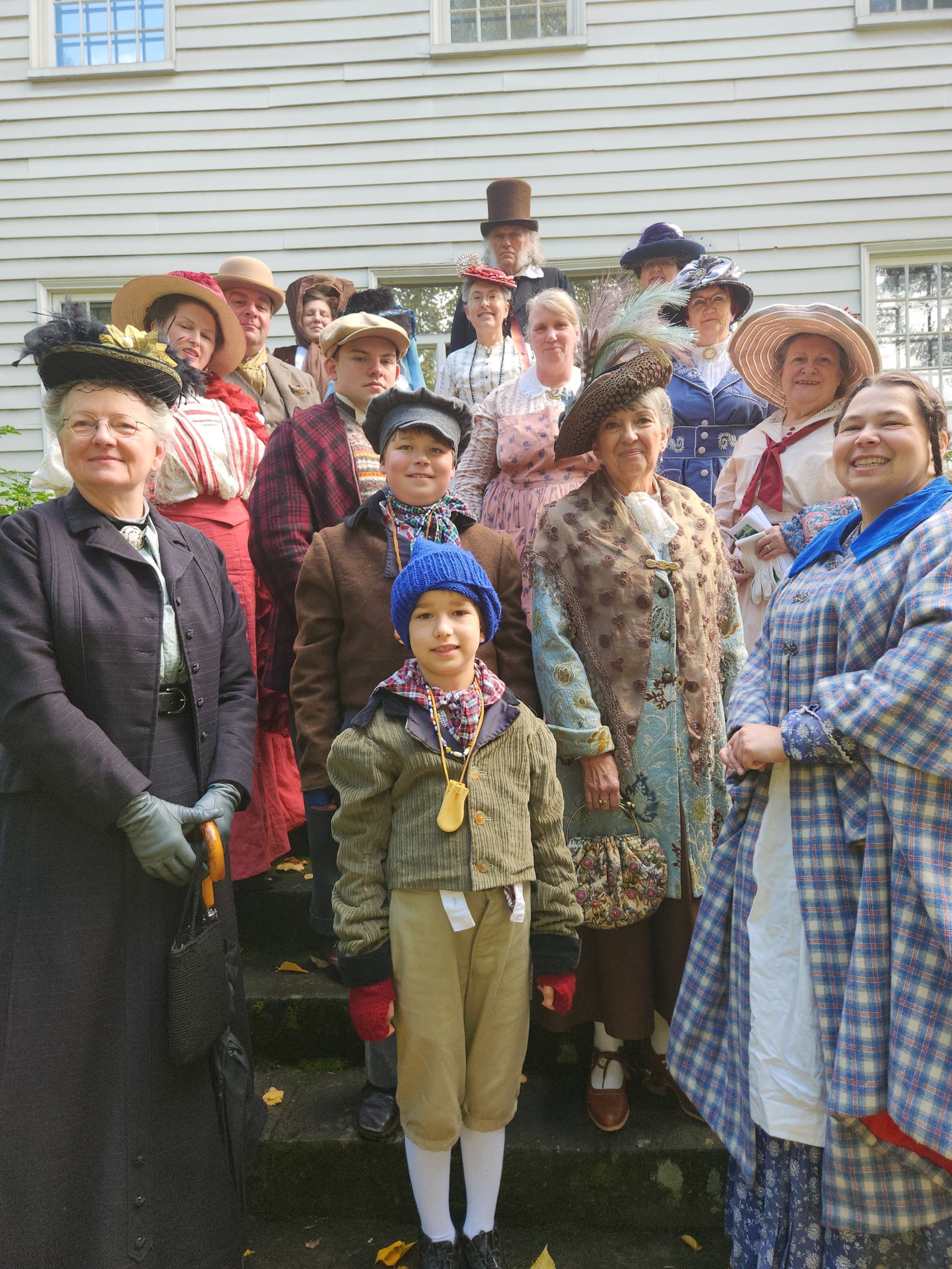
The McLoughlin House stands today as a reminder of the great contribution Dr. John McLoughlin made to the settlement of the Oregon Country. In 1909, it was threatened with demolition, but a group of concerned local citizens formed the McLoughlin Memorial Association to preserve and protect the house and the legacy of Dr. McLoughlin. They moved the house from its original location by the river up to its present location atop the bluff, restored it, and turned the house into a museum. The McLoughlin Memorial Association continues to actively support the McLoughlin House, in partnership with the National Park Service.
In 1941, the McLoughlin House was designated by Congress as a National Historic Site (the first in the West). It was added to the National Park System in 2003, as a unit of Fort Vancouver National Historic Site. For additional information, visit the National Park Service's website at www.nps.gov/fova/historyculture/mcloughlin-house.htm
The mission of the McLoughlin Memorial Association is to assist in the promotion of Dr. John McLoughlin and his associates through education, interpretation, preservation, respect, and appreciation of our heritage.
------------------------------------------------------------------------
Dr. John McLoughlin was chief factor (superintendent) of the British Hudson's Bay Company (HBC) based at Ft. Vancouver on the Columbia River. The fur trade brought the first permanent white settlers to the area. Dress hats made of beaver fur were worn by men and women around the world. British, French and American trappers swarmed over the western wilderness to bring in the sought-after pelts.
Dr. McLoughlin crossed the Rockies in 1824 and established Ft. Vancouver in 1825. He proved to be a shrewd businessman, but he was always fair in dealing with natives and settlers alike.
When American pioneers arrived on the Oregon Trail, they asked McLoughlin for supplies to help them survive their first winter in Oregon. His kindness to them would eventually cost him his job with the HBC. He had purchased HBC's land claim at Willamette Falls (Oregon City), and he and his family moved into his newly-built mansion in 1846 after being forced to retire. He died in this home in 1857.
Dr. John McLoughlin’s key role in Oregon's early history prompted a later state legislature to name him the ‘Father of Oregon.’
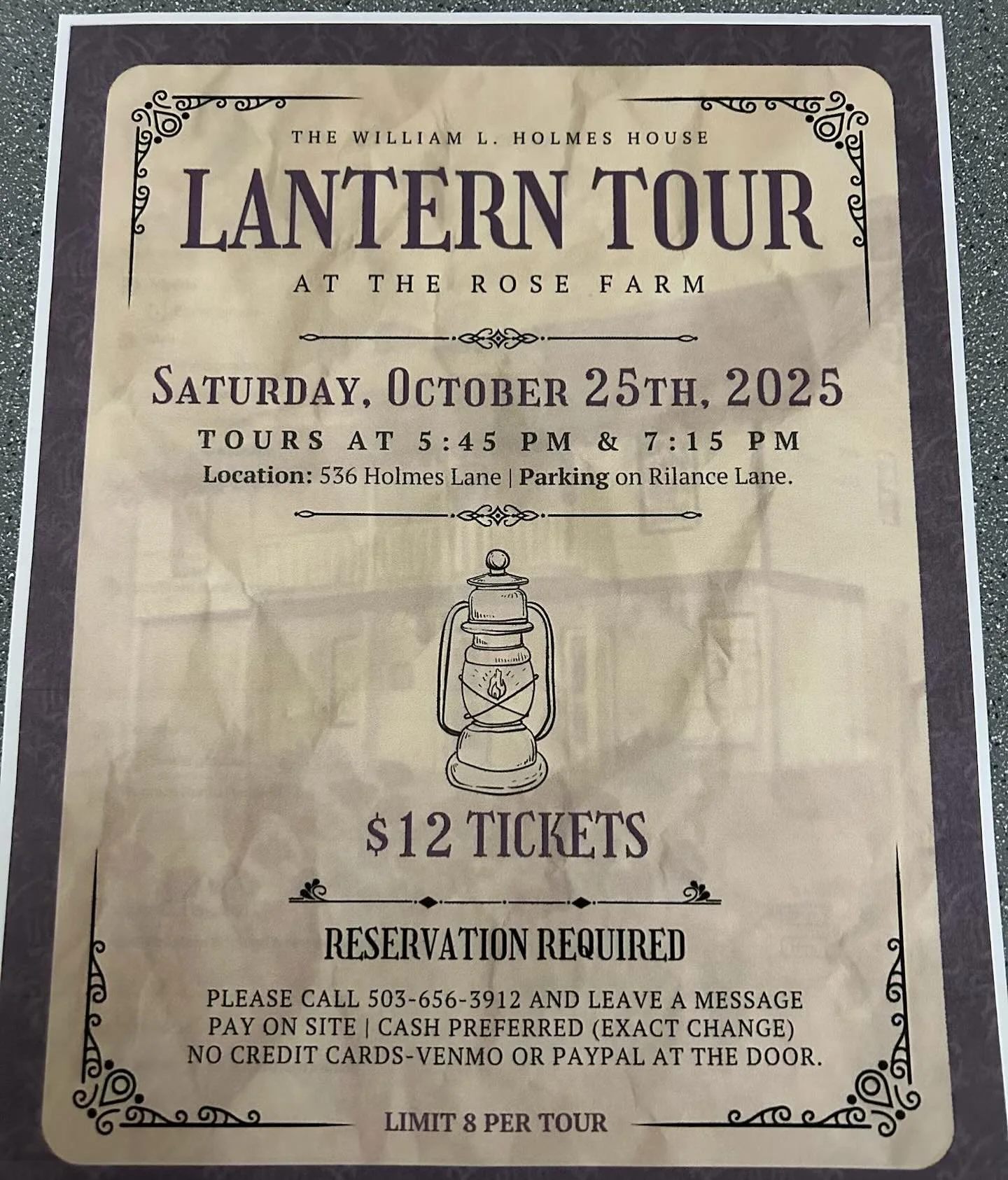
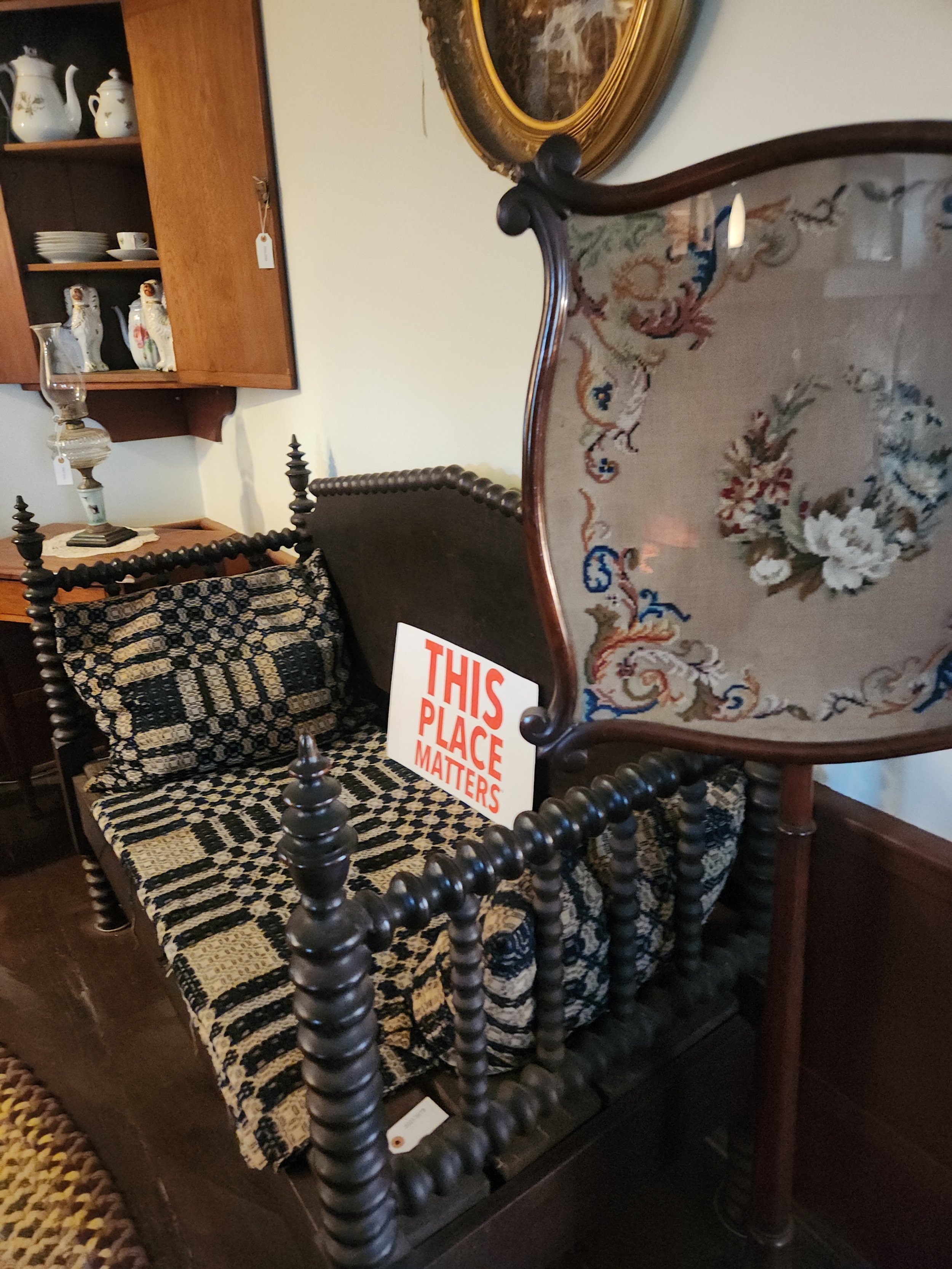
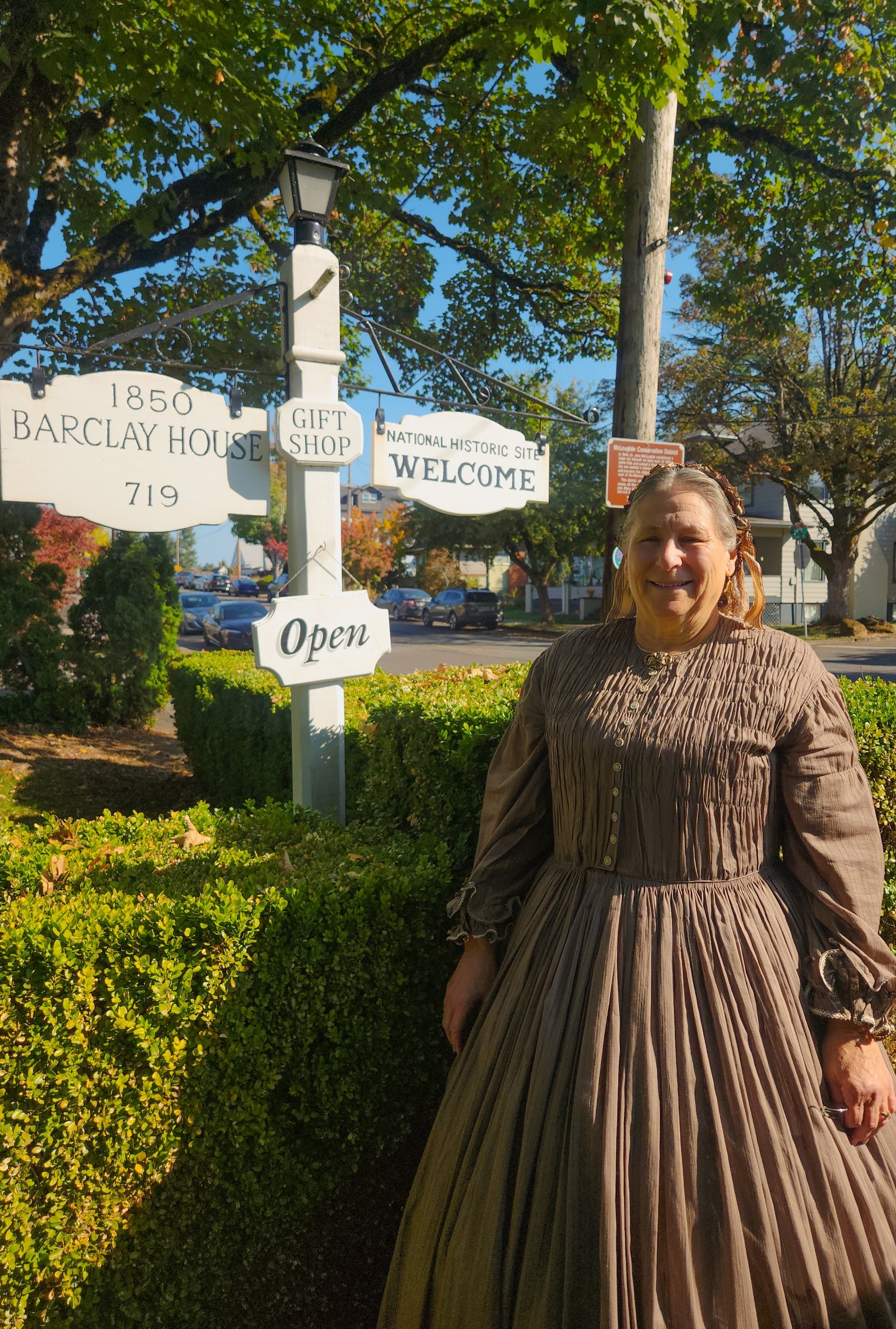
The home opened as a museum in 1910, and it continues to draw thousands of visitors each year from all over the world. It is one of several historic homes in Oregon City which are open to the public. These sites include the Barclay House (which is part of the McLoughlin House Unit of Fort Vancouver National Historic Site) and the Rose Farm, where the first Oregon Territorial Legislature met in July 1849. Authentic furnishings, artifacts, and early photos take visitors back 150 years to the beginnings of the ‘American West’. Other historic house museums in the area include the Ermatinger House and the Stevens-Crawford House.
Until 1846, included all land from the crest of the Rockies to the Pacific Ocean and from 54 degrees, 40 minutes North Latitude south to the present California and Nevada state lines. The Oregon Country was reduced in 1846 to the 49th Parallel on the north. This entire area became a territory of the United States in 1848. Eventually the states of Washington, Oregon, Idaho and parts of Wyoming and Montana were carved from it.
The McLoughlin House National Historic Site is located in the heart of Oregon City's McLoughlin Preservation District. The End of the Oregon Trail Interpretive Center is 10 blocks north; the Museum of the Oregon Territory and Willamette Falls are 10 blocks south. The city-owned Carnegie building and 1845 Ermatinger House, where the City of Portland was named, and other examples of early architecture are within walking distance. A municipal elevator (‘vertical street’) takes pedestrians between the river level and the bluff. Depression-era stone work marks steps and a cliff-top promenade dating to the 1850's.
Saturdays, 12:00 - 4:00 p.m. Free admission. All demonstrations are hands-on unless otherwise noted.
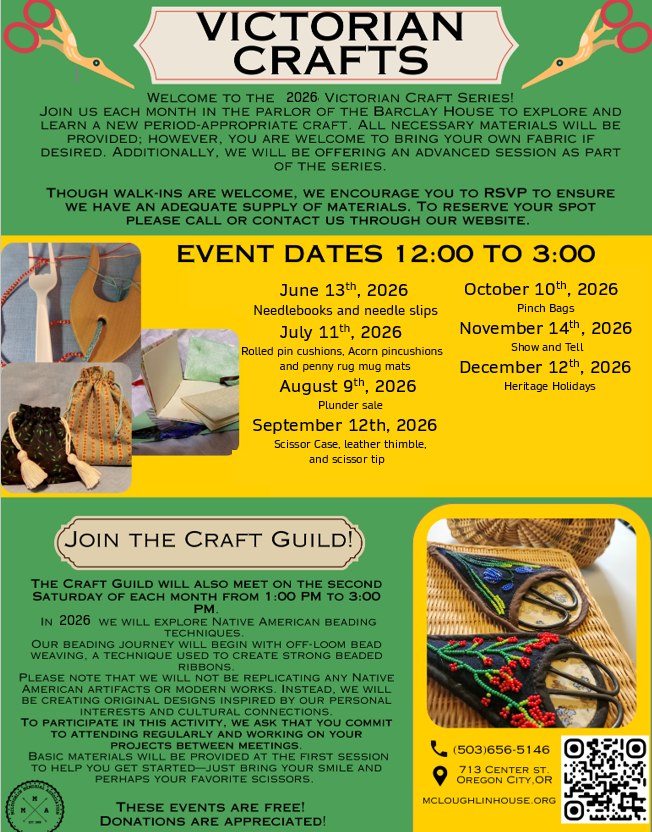
Have you always wondered how dainty tatted lace is made? Come & try your hand at a delightful craft that was very popular during the Victorian era.
The Victorians loved paper crafts, and used paper in many creative ways. Come & learn how to transform paper strips into charming little stars!
Nature crafts of all sorts were enjoyed by Victorian ladies. Join us & try this form of creative expression for yourself!
Jewelry of the Victorian era often used symbolism to express sentiment and deeper meaning. Enjoy a display of original period jewelry and a lecture on this fascinating topic! (Display & lecture only.)
Beads were used in a variety of creative ways, from jewelry to clothing to gifts and home decor items. Learn about this versatile craft material, & experiment with Victorian-style beadwork!
Queen Victoria's wedding veil was made of delicate Honiton lace. Come & see the amazingly intricate techniques of bobbin lace & other types of lacemaking!
When is a rug not a rug? When it's a penny rug! These layered & stitched table mats are made of concentric circles of wool felt. Learn the technique of this folk craft!
Saturday, May 10, 2008
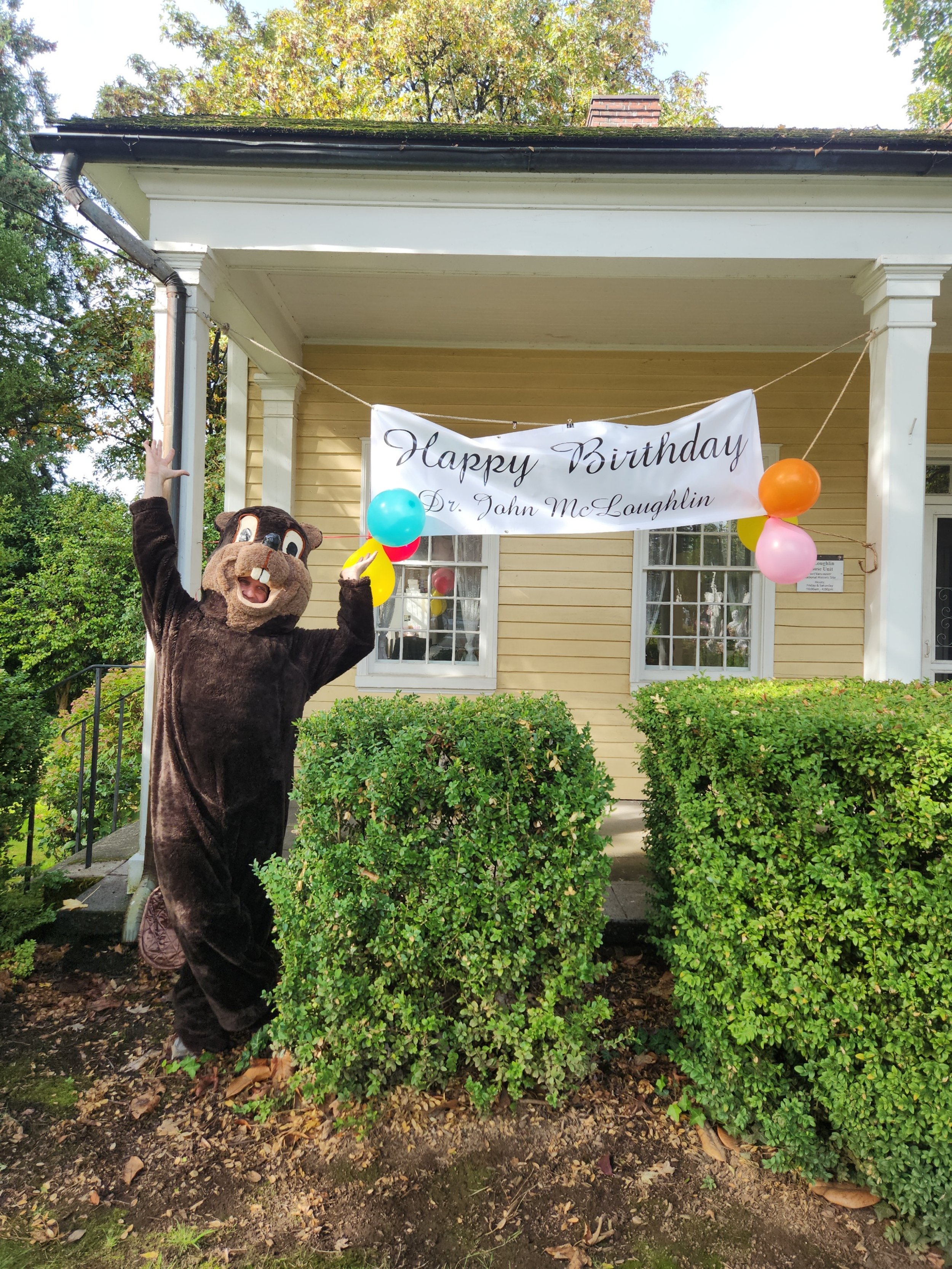
Join us for a celebration of the McLoughlin Memorial Association's 99th birthday!
Saturday, July 12, 2008
A hands-on archeological experience for children ages 8 - 12! Space is limited.